
Precision Spindle Longevity & Preventive Maintenance in High-Volume CNC Turning Operations
The True Cost of Spindle Failure in Production Turning
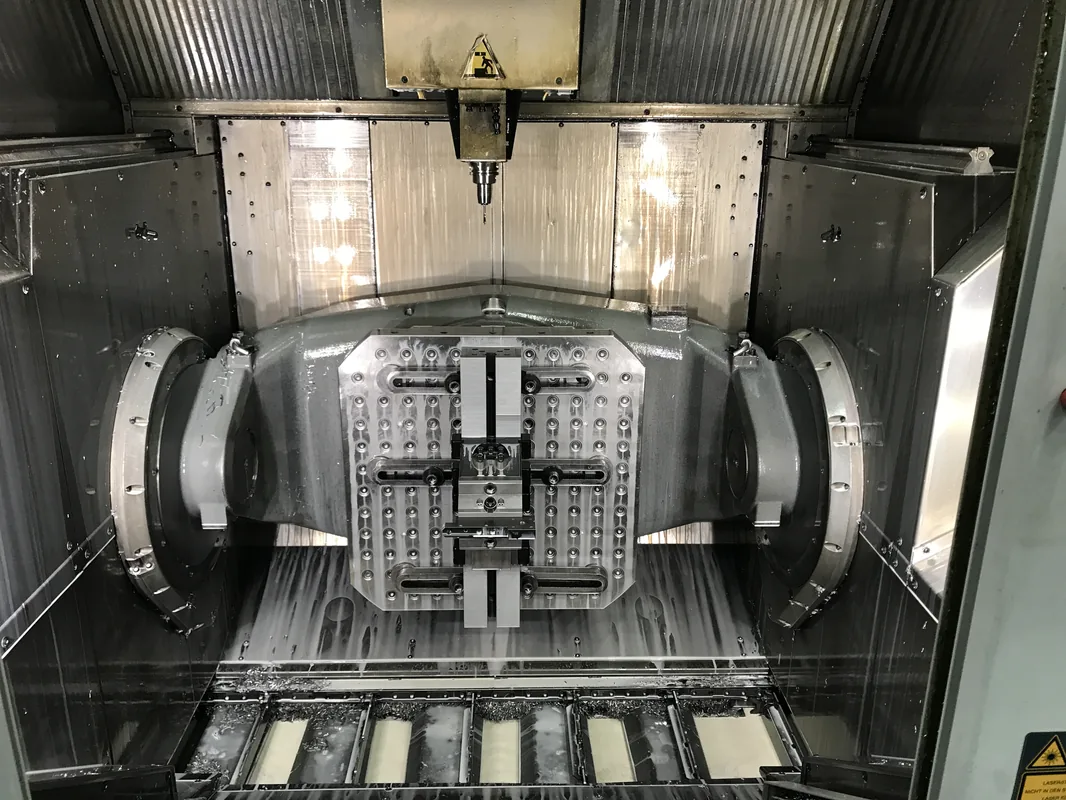
In continuous CNC turning and milling operations, the spindle bearing arrangement endures enormous radial cutting loads, axial thrust forces, and high-frequency thermal cycling. A premature spindle bearing failure does not just cost replacement components; it results in unpredicted machine downtime, scrapped workpieces, and disrupted customer delivery commitments.
Implementing a rigorous spindle preventive maintenance protocol ensures that your DONGS CNC lathe or vertical machining center maintains day-one concentricity, runout under 0.003 mm, and reliable spindle life exceeding 20,000 operational hours.
1. Managing Thermal Growth and Warm-Up Protocols
Thermal expansion of the spindle shaft occurs as rolling elements frictionally heat bearing grease or oil mist. A cold spindle running directly at 8,000 RPM will grow axially by up to 0.035 mm over the first 45 minutes, creating taper errors on turned diameters or stepped depths on milled pockets.
- Mandatory 15-Minute Warm-Up Cycle: Program a simple parametric warm-up routine: 5 minutes at 25% max speed, 5 minutes at 50% max speed, and 5 minutes at 75% max speed with annular coolant circulating.
- Spindle Oil Chiller Maintenance: Inspect oil chiller reservoir levels monthly. The temperature differential between the spindle jacket fluid and the machine casting should be maintained within ±1.0°C.
2. Lubrication Quality: ISO VG32 Spindle Oil & Klüber Grease
Never mix grease types or use contaminated oils. For grease-packed precision angular contact bearings (NSK / FAG P4 grade), use manufacturer-specified high-speed synthetic greases (such as Klüber Isoflex NBU 15). For central oil-mist systems, ensure air line desiccant dryers maintain moisture dewpoints below -20°C.
3. Tool Clamping Force & Belleville Disc Spring Inspection
On vertical machining centers, tool pull-stud retention relies on a stack of Belleville disc springs inside the spindle drawbar. Over millions of ATC cycles, spring fatigue can cause drawbar pulling force to degrade from 12 kN down to 7 kN. This leads to micro-fretting corrosion on the BT40 taper contact faces and tool chatter.
Measure drawbar retention force using a digital hydraulic force gauge every 6 months. Clean taper contact surfaces daily using non-abrasive felt cleaning wipers.
Summary Maintenance Schedule
| Inspection Frequency | Component / Subsystem | Required Action |
|---|---|---|
| Daily (Start of Shift) | Spindle Taper & Toolholders | Wipe taper clean; check for brassing or chip marks |
| Weekly | Spindle Air Blast & Coolant Ring | Verify positive air pressure purge during tool unclamping |
| Monthly | Oil Chiller & Filter Screens | Clean condenser radiator fins; inspect coolant conductivity |
| Semi-Annually | Drawbar Pull Force & Dial Indicator Runout | Measure tool retention force with digital gauge; verify runout < 0.003 mm at 300 mm test arbor |
Factory Technical Consultation
Planning to upgrade or purchase a CNC lathe or machining center?
Send your workpiece specifications or 2D/3D component drawings to our application engineering desk. We provide customized tooling layouts, cycle time analysis, and factory-direct CIF quotation within 24 hours.